
Choosing the Right PLC Repair Service for Effective plc maintenance solutions
When your programmable logic controller (PLC) malfunctions, it can bring your entire operation to a halt. Finding the right repair service is crucial to get things back on track quickly and efficiently. I’ve learned that choosing a reliable and skilled provider for your plc maintenance solutions can save you time, money, and stress. In this post, I’ll share practical tips and insights to help you make the best choice.
Why plc maintenance solutions matter for your business
PLCs are the backbone of many industrial and commercial systems. They control machinery, automate processes, and ensure smooth operations. When a PLC fails, downtime can be costly. That’s why regular maintenance and prompt repairs are essential.
Good plc maintenance solutions do more than just fix problems. They help prevent future breakdowns by identifying potential issues early. This proactive approach extends the life of your equipment and keeps your production lines running smoothly.
For example, a manufacturing plant I worked with experienced frequent PLC failures due to overheating. After switching to a maintenance service that included regular inspections and cooling system checks, their downtime dropped by 40%. This kind of impact shows how important it is to choose the right service provider.

How to evaluate a plc repair service provider
Choosing the right repair service can feel overwhelming. Here are some key factors I always consider:
Experience and expertise: Look for a provider with a proven track record in repairing the specific PLC models you use. Ask about their technicians’ certifications and training.
Response time: Downtime costs money. Find a service that offers quick response times and emergency repairs.
Warranty and guarantees: A trustworthy repair service stands behind its work. Check if they offer warranties on parts and labour.
Customer reviews and references: Feedback from other clients can reveal a lot about reliability and quality.
Cost transparency: Get clear estimates upfront. Avoid providers who surprise you with hidden fees.
Local presence: A local service can respond faster and understand regional challenges better.
When I was selecting a repair partner for a client, I requested case studies and references. This helped me confirm their ability to handle complex repairs and deliver on promises.
What are the 7 parts of a PLC?
Understanding the main components of a PLC can help you communicate better with your repair service and understand what might be causing issues. Here are the seven essential parts:
Power Supply - Converts electrical power to the correct voltage and current for the PLC.
Processor (CPU) - The brain of the PLC that executes control instructions.
Input Modules - Receive signals from sensors and switches.
Output Modules - Send signals to actuators like motors and valves.
Memory - Stores the program and data.
Communication Interface - Allows the PLC to connect with other devices or networks.
Programming Device - Used to write and upload the control program.
Knowing these parts helps you understand repair reports and maintenance recommendations. For instance, if the CPU is overheating, the repair service might suggest replacing the cooling fan or upgrading the power supply.
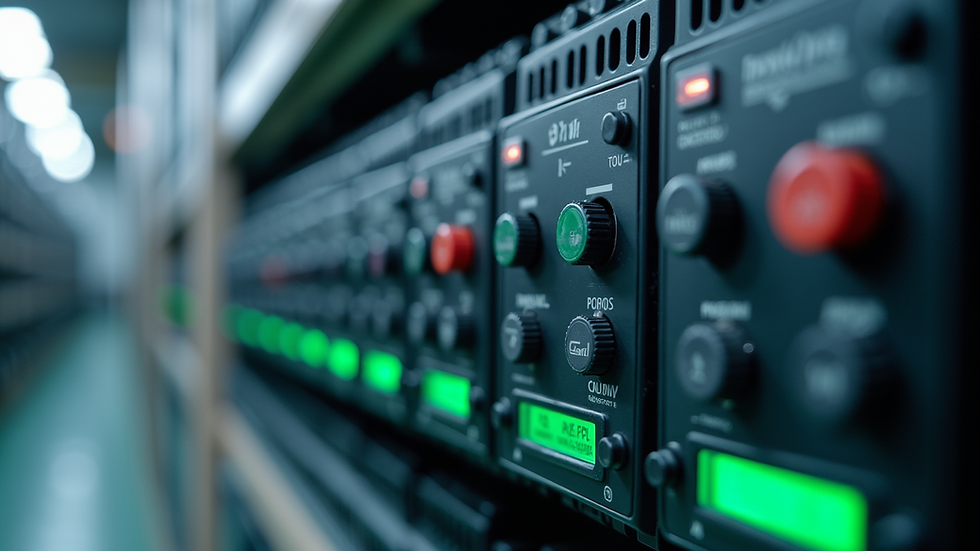
Tips for maintaining your PLC to avoid frequent repairs
Prevention is always better than cure. Here are some practical tips to keep your PLC in top shape:
Regular inspections: Schedule routine checks to spot wear and tear early.
Keep it clean: Dust and debris can cause overheating and electrical shorts.
Monitor environmental conditions: Ensure the PLC is in a temperature-controlled, dry environment.
Update software and firmware: Keep your PLC’s programming up to date to avoid bugs and security risks.
Train your staff: Make sure operators know how to handle the PLC properly and report issues promptly.
Use quality parts: When replacing components, always opt for genuine or high-quality parts.
Implementing these steps can reduce the need for emergency repairs and extend the life of your equipment. I’ve seen businesses save thousands by investing in simple maintenance routines.
How to build a long-term relationship with your repair service
Once you find a reliable plc repair service, it’s smart to build a strong partnership. Here’s how:
Set clear expectations: Agree on service levels, response times, and communication methods.
Schedule regular maintenance contracts: This ensures priority service and often better rates.
Share operational insights: Help your repair provider understand your processes and challenges.
Request training sessions: Some services offer training to your team on basic troubleshooting.
Provide feedback: Let them know what’s working well and where improvements are needed.
A good relationship means faster resolutions and tailored solutions. Over time, your repair service becomes a trusted advisor, not just a fixer.
Final thoughts on choosing the right PLC repair service
Selecting the right repair partner for your PLC is a decision that impacts your entire operation. By focusing on experience, responsiveness, transparency, and local expertise, you can find a service that meets your needs. Remember, investing in quality plc maintenance solutions today saves you from costly downtime tomorrow.
If you want to explore reliable options, consider reaching out to a trusted plc repair service that understands your industry and regional requirements. Their expertise can help you keep your systems running smoothly and efficiently.
Taking the time to choose wisely will pay off in reduced disruptions and longer equipment life. Keep your PLCs healthy, and your business will thrive.


Comments